Masai Mara Safari Lodges and Tented Camps Guide
You wake up around five in the morning to the smell of damp grass and fresh Kenyan coffee poured from a thermal carafe outside your canvas flap. A lion grunts two miles away, a heavy saw-like rasp that vibrates right in your ribs before the dawn chorus even begins. Picking among the dozens of masai mara safari lodges scattered across southwest Kenya sounds simple enough on paper, but the sheer variety of beds, views, and price tags will make your head spin if you go in blind.
There are solid brick resorts built in the 1970s that seat two hundred people for dinner, alongside five-bed luxury camps where your only neighbor is a resident pod of hippos. Location dictates everything here. If you book a lodge three hours away from where the wildebeest herds cross the Mara River in August, you will spend your entire holiday staring at the tailgate of a dusty Land Cruiser instead of watching big cats hunt across the plains.
Book your masai mara safari tours experience:
Choosing Between Masai Mara Lodges and Tented Camps
People get nervous when they hear the phrase tented camp. They imagine pitching nylon igloos in the dirt with wet socks and cold beans. That is not what happens out here.
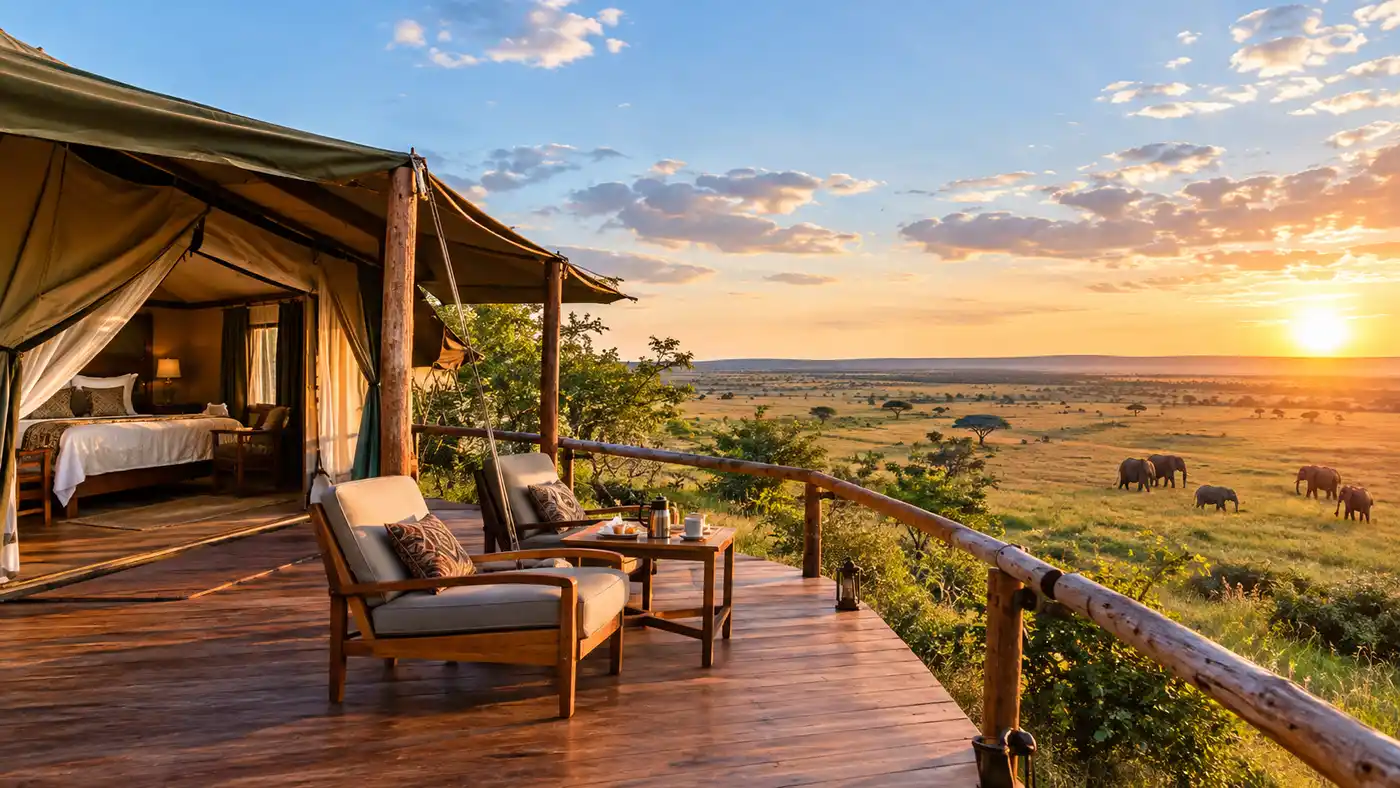
A classic tented camp in the Mara usually means a walk-in canvas suite mounted on a solid teak or concrete deck, covered with a thatched grass roof to keep the afternoon sun from baking the interior. You get polished cedar floors, king beds wrapped in clean mosquito netting, flushing toilets, and brass shower fixtures. Some of the upscale spots even roll out clawfoot tubs facing a private bend of the Talek River. You hear the wind rustling through the fever trees and baboons screaming down the ridge at night. The canvas keeps you dry, but it lets the sounds of the African bush right into your bedroom. I think that acoustic connection is the whole point of flying all the way to East Africa.
Solid brick-and-stone lodges feel entirely different. Properties like Keekorok Lodge, which opened back in 1962 as the very first permanent lodge in the reserve, offer thick walls, tarmac paths, gift shops, and Olympic-sized swimming pools. If you travel with restless toddlers, elderly relatives who need wheelchair ramps, or someone who genuinely panics at the thought of a cicada crawling up a tent flap, a traditional lodge kenya masai mara property makes absolute sense. You sacrifice that wild, solitary campfire atmosphere for reliable generators, buffet lines, and familiar hotel amenities.
Pro tip: Ask for a hot water bottle tucked under your bed linens during evening turndown. Bush mornings drop to 55 degrees Fahrenheit, and sliding into a pre-warmed bed after a dusty dusk game drive changes your whole mood.
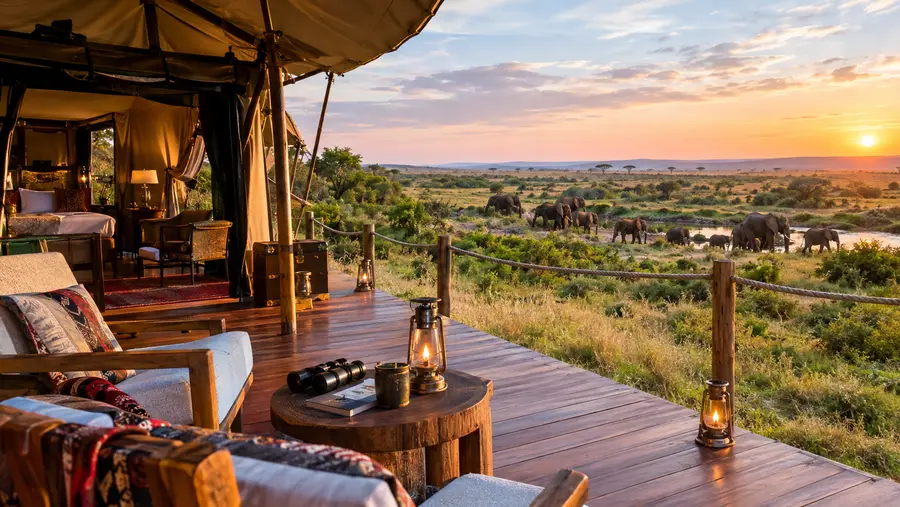
Price does not automatically track with building materials either. Some of the most exorbitant masai mara luxury camps are entirely made of canvas, rope, and reclaimed timber. You pay for extreme privacy, private safari vehicles, and the ability to sit at dinner without hearing seventy other tourists comparing camera lenses.
Masai Mara National Reserve Accommodation vs Private Conservancies
Draw a line around the public Masai Mara National Reserve. Inside that line, the local county government manages the land. Outside that line sit private wildlife conservancies like Mara North, Olare Motorogi, and Naboisho, owned by Maasai pastoralist families and leased to vetted safari operators. Where you sleep determines how you experience the wildlife.
If you stay inside the national reserve boundaries, you sit right beside the main wildebeest migration river crossings. When thousands of zebras plunge into the churning brown water of the Mara River, reserve lodges put you fifteen minutes from the drama. The downside is brutal congestion. When a cheetah mother spots an impala near the Talek gate in August, forty minivans will swarm the clearing within twenty minutes. Drivers crowd the grass, diesel fumes blow across the savanna, and the magic evaporates quickly.
Private conservancies work on a completely different model. Only guests staying in camps inside that specific conservancy can run game drives there. Vehicles must keep fifty yards back from big cats, and no more than five vehicles can watch a single predator sighting at once. You can also walk across the plains with an armed Maasai scout, eat breakfast under an acacia tree, and stay out tracking leopards with red spotlights past nine at night. Night drives are completely forbidden inside the public reserve boundaries.
| Lodging Style | Primary Location | Typical Nightly Cost (USD) | Ideal Traveler |
|---|---|---|---|
| Classic Game Lodge | Inside Reserve (Sekenani / Keekorok) | $250 - $550 | Families with young kids, group tours, first-timers |
| Mid-Range Tented Camp | Reserve Borders (Talek / Oloolaimutia) | $180 - $400 | Budget-conscious adventurers, photographers |
| Riverfront Migration Camp | Mara Triangle / Central Reserve | $600 - $1,400 | Peak migration watchers, luxury seekers |
| Conservancy Bush Camp | Mara North / Naboisho / Olare Motorogi | $750 - $1,900 | Honeymooners, night drive fans, crowd avoiders |
Staying in the conservancies does cost more because the nightly bed fee includes conservation dues paid directly to Maasai landholders. It protects wildlife migration corridors while keeping livestock grazing balanced. If your budget allows for it, spending two nights out in a conservancy camp followed by two nights along the river inside the main reserve gives you the best possible balance.
Masai Mara Safari Lodge Tiers and What They Cost
Lodging prices in the Mara change faster than the weather on the Siria Escarpment. Between mid-July and October, rates double or triple because everyone wants to catch the great migration. In April and May, during the long rains, high-end lodges slash their prices by sixty percent just to keep their kitchen staff busy.
When you evaluate safari costs and park fees, check what the rate actually includes. Some places list a room for $200 per night, but that is room-only. By the time you hire a four-wheel-drive safari vehicle, pay park entrance fees, buy three meals, and tip the guides, your daily spend hits $700. Other camps quote $950 per night, but that figure covers every gin and tonic, two daily shared game drives, airstrip transfers, laundry, and your park conservation fees.
Note: Kenya recently restructured reserve entry fees, raising daily non-resident costs significantly during peak months. Double-check whether your accommodation package includes these daily fees or bills them separately at check-in.
Here is what your money gets you across the three primary brackets:
- Budget camps ($120 to $250 per night): Permanent canvas tents outside the reserve perimeter gates, hot water on demand via basic wood boilers, standard buffet meals, generator electricity shut off after 10 PM.
- Mid-tier lodges and camps ($350 to $700 per night): Prime locations along riverbanks or inside reserve borders, 24-hour solar power, swimming pools, multi-course plated dinners, professional in-house safari guides.
- High-end luxury sanctuaries ($900 to $2,200+ per night): Open-sided suites on raised platforms, fully inclusive top-shelf spirits, private guide and vehicle options, bush dinners under the stars, butler service, and zero vehicle crowding.
Honestly, the food in mid-tier camps often tastes better than what comes out of massive resort kitchens. Smaller camps cook for sixteen people instead of three hundred, which means freshly baked rosemary focaccia and roasted butternut squash soup prepared over charcoal embers rather than lukewarm cafeteria trays.
Book your masai mara safari tours experience:
Best Areas to Book Your Camp Masai Mara Kenya
The Mara spans roughly 580 square miles. Where you put down your duffel bag determines what animals walk past your verandah while you sip tea at three in the afternoon. Look at a reserve map before you swipe your credit card.
The Mara Triangle forms the western third of the ecosystem, managed separately by the Mara Conservancy nonprofit. It has only two permanent lodges inside its borders: Mara Serena Safari Lodge, perched high on a ridge with insane panoramic views of the plains, and Little Governors' Camp, reached by pulling yourself across the Mara River on a small wooden raft. The Triangle boasts clean roads, aggressively enforced anti-poaching rules, and some of the finest general wildlife viewing on earth. If you want to witness dramatic river crossings between July and October, this corner is hard to beat, as detailed in our guide on the Masai Mara and Serengeti migration safari.
Around the Talek River in the central sector, you find high predator density. Big prides of lions sleep on the rocky kopjes, and leopards hide in the dense croton thickets along the water. The Talek area is busy because several reserve gates sit within striking distance. You will see other vehicles constantly, but you will also see lions hunt within two hours of leaving camp.
The Musiara Marsh sector to the north provides swampy, lush grazing where buffalo herds gather in the hundreds. Elephant families spend midday wading through the reeds, stripping papyrus stems while white egrets ride on their backs. If you love photographing elephants knee-deep in water with the green Oloololo Escarpment looming behind them, look for lodges in Musiara.
Daily Life in Masai Mara Tents and Lodges
Safari life runs on a strict biological rhythm. Your alarm goes off at 5:15 AM. You wash your face, grab a quick biscuit, and board the Land Cruiser before first light. Predators do their heavy work in the cold hours before the sun turns the savanna into an open oven. By nine in the morning, the light goes flat and harsh, the cats curl under shade bushes, and your guide points the truck back toward camp for a heavy breakfast.
Midday belongs to rest. You read a book on the deck, watch lizards hunt flies on the tent poles, or swim. Around four, after tea and freshly fried banana fritters, you head back out for the evening drive until sunset.
Living under canvas in the bush comes with a few small quirks you should expect ahead of time:
- Maasai night escorts: You cannot walk unescorted between the dining tent and your room after dark. Lions, leopards, and hippos regularly wander through unfenced camp grounds. A Maasai guard carrying a spear and heavy flashlight will walk you to your door every night.
- Wildlife visitors on the deck: Velvet monkeys will steal sugar packets, fruit, and shiny camera batteries if you leave your tent zippers unlatched. Always hook the security clip on your door flap.
- Water and power conservation: Most tented camps run entirely on solar battery arrays backed by clean diesel generators. High-draw appliances like hair dryers will blow the camp inverter, so leave them at home.
- Bucket showers in rustic camps: Some authentic mobile camps still use traditional safari showers. You ask the camp staff for hot water, they haul twenty liters of heated borehole water up a pulley behind your tent, and you pull a lever inside to release a five-minute overhead flow. It works remarkably well.
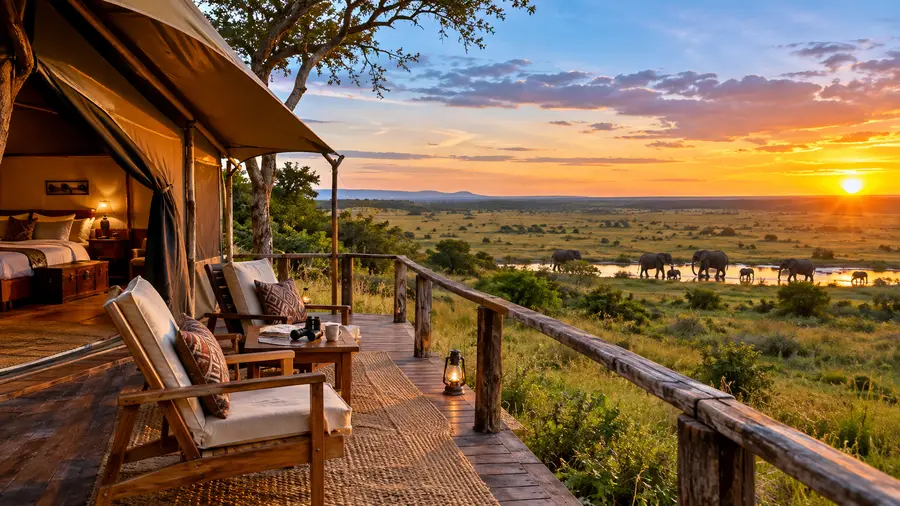
There is nothing quite like sitting on your private wooden verandah around midnight. The generators turn off at ten, and the silence drops over the plains like a heavy wool blanket. You hear crickets, the steady chewing of plains zebras eating grass eight feet from your canvas wall, and the eerie, rising whoop of a spotted hyena patrolling the creek bed.
Frequently Asked Questions about masai mara safari lodges
Are safari lodges in the Masai Mara safe from wild animals?
Yes. Animals view vehicles and large canvas tents as solid, uninteresting objects rather than prey. At night, unfenced camps employ local Maasai warriors who patrol the pathways with flashlights and spears to guide you safely between common areas and your room.
Should I pick a lodge with a fence or an unfenced camp?
Fenced lodges provide peace of mind for families traveling with children under eight years old. Unfenced tented camps offer a far more authentic safari experience because wildlife can freely drift past your deck, but they require strict obedience to camp safety rules.
How far in advance should I book my Masai Mara accommodation?
For migration season from July through October, book nine to twelve months ahead, especially for smaller camps with fewer than twelve tents. For the green season from November to May, booking three to four months in advance is usually plenty of time.
Quick Reference
- Peak migration months: July to October
- Best for exclusivity: Private conservancy camps
- Electrical charging: Standard UK three-prong plugs (Type G)
- Park fees: Charged per 24-hour period inside the reserve
Book your masai mara safari tours experience:
My Take
If you can swing the expense, skip the two-hundred-room concrete hotels near the perimeter gates. Safari magic does not happen in a crowded breakfast buffet line while someone fights over the toaster. It happens in a small twelve-tent camp along a muddy river bend where you sit around an olive-wood fire after dark, listening to your Maasai guide explain how his grandfather tracked lions across the exact same ridge. Book small, choose canvas over concrete, and let the sounds of the African night keep you awake for just a little while.
Read more about masai mara safari tours.