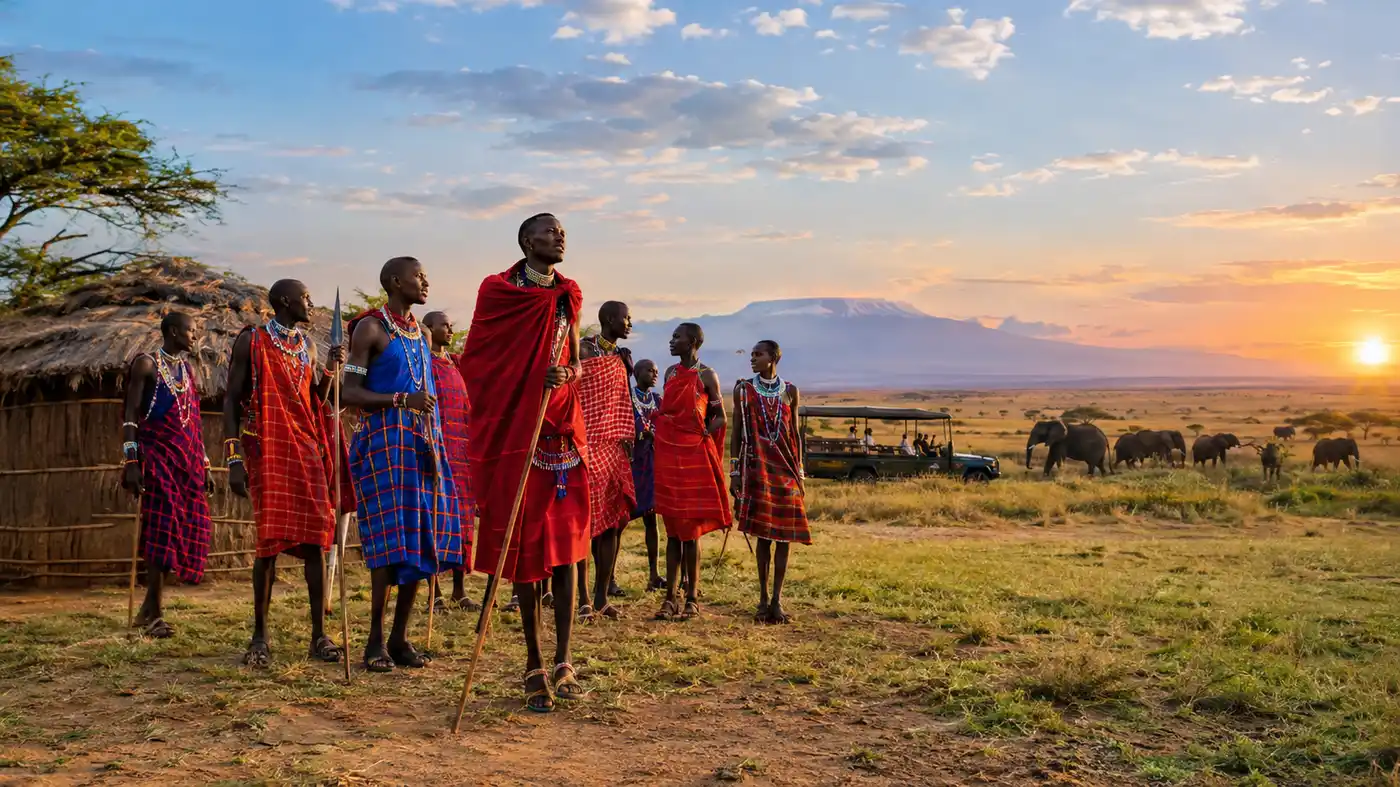
Maasai People of Kenya: Culture and Village Tours
Discover the Maasai people of Kenya. Learn about traditional village life, etiquette, costs, and ethical cultural tours …
Continue Reading →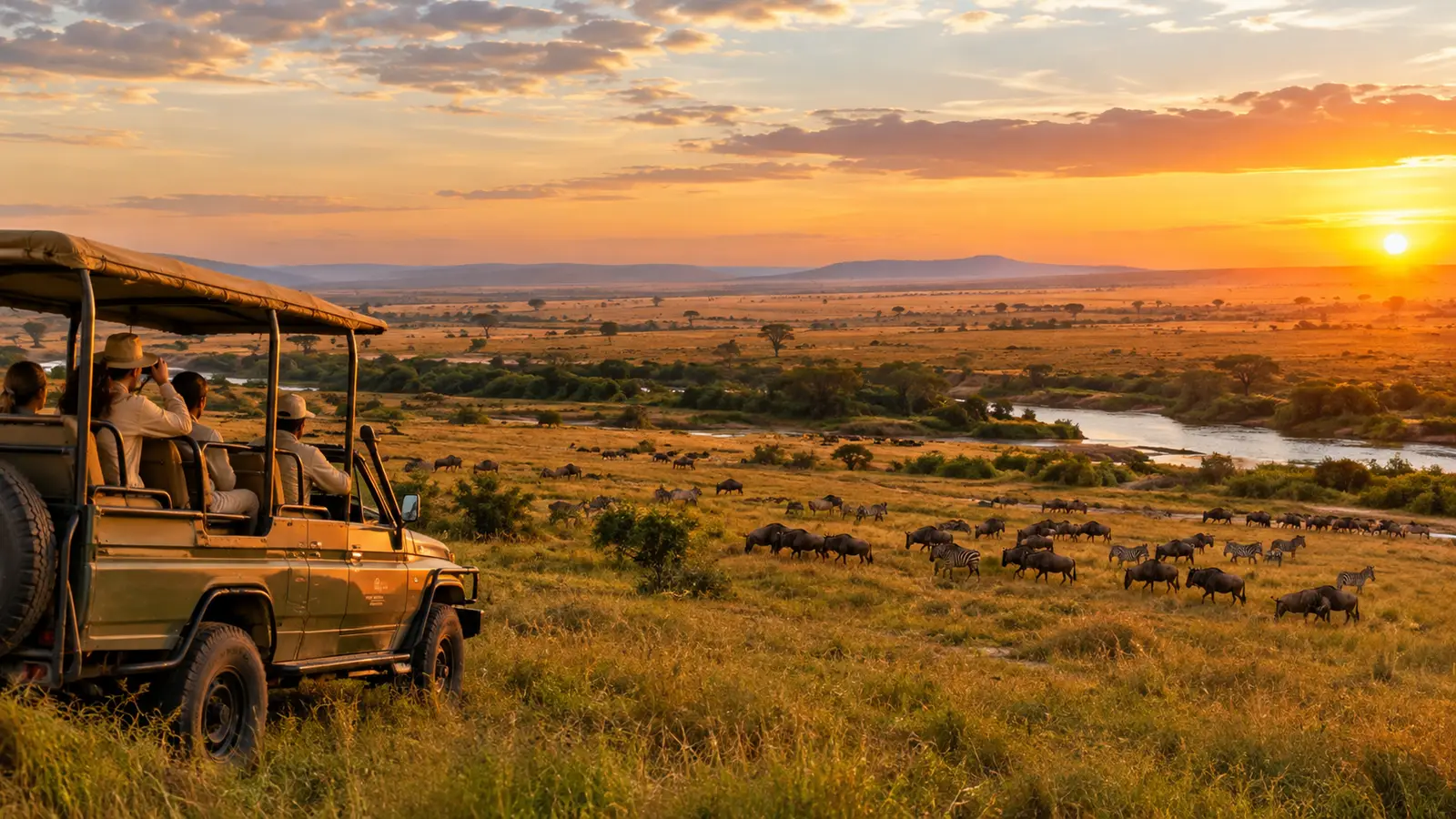
Real track notes, camp recommendations, and seasonal river crossing updates for planning your Maasai Mara safari without middleman markups.
Discover what makes masai mara safari tours unforgettable.
The rolling plains between Musiara Marsh and the Talek River shelter several dozen territorial lion prides. Cheetahs favor the short-grass ridges near Lookout Hill for hunting gazelles at midday.
Learn more →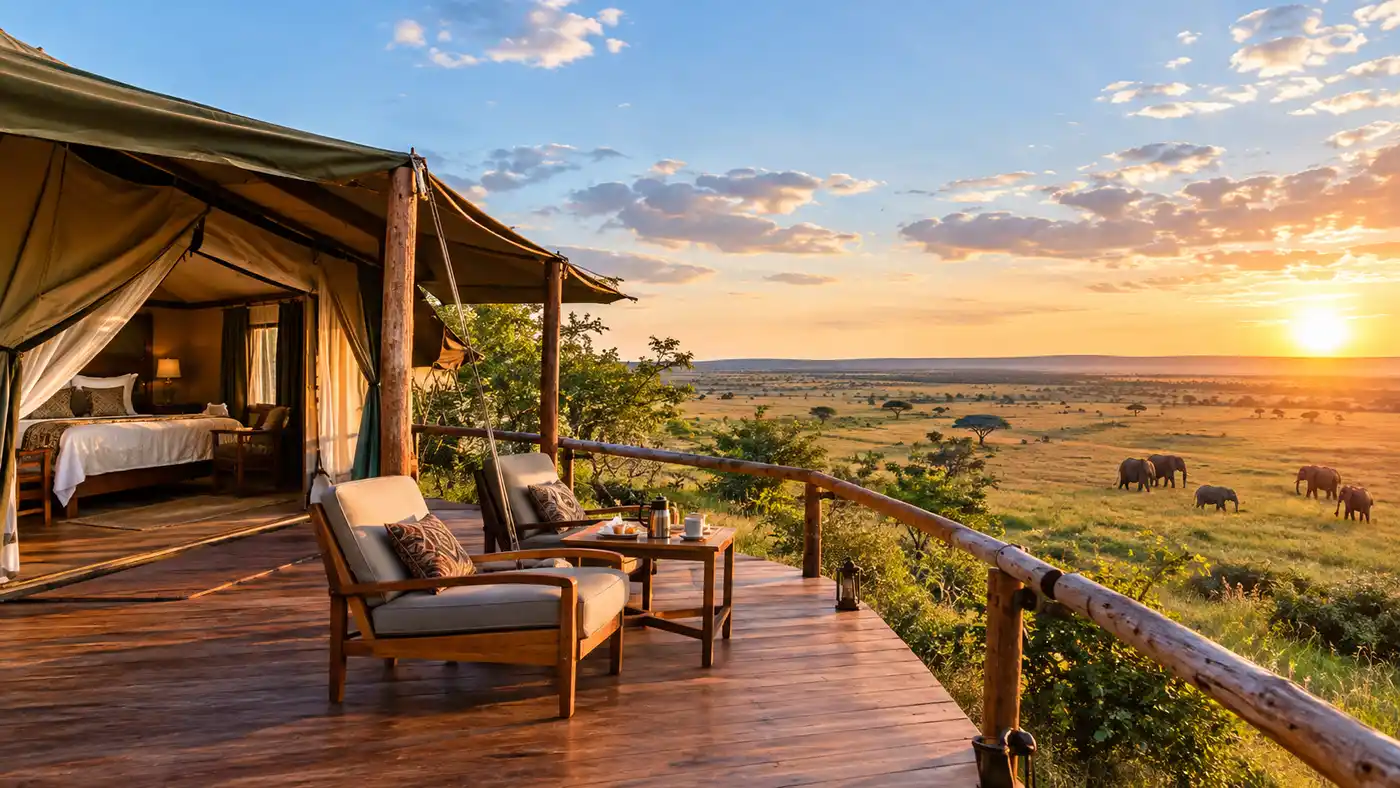
Sleep under heavy canvas along the Mara or Talek rivers where hippos grunt through the night. Accommodations range from family-run eco-camps to remote bush clearings with open bucket showers.
Learn more →
Visiting the conservancies north of the reserve puts your money directly into landowner lease fees for Maasai families. You also gain access to guided night drives and walking safaris impossible inside public park borders.
Learn more →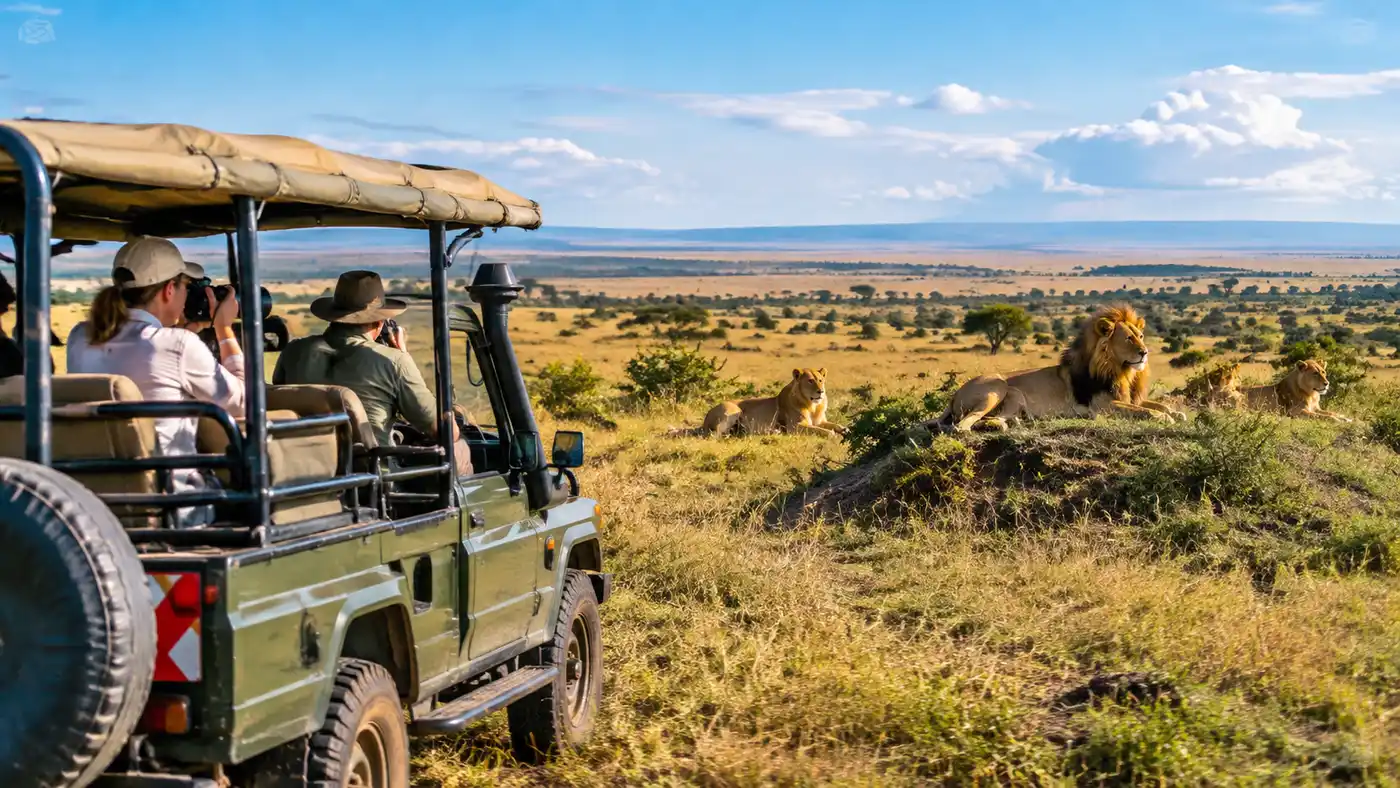
Navigating park gate fees, vehicle entry rates, and seasonal price spikes can save hundreds of dollars per day. Knowing when to self-drive versus hiring an experienced local spotter changes your budget entirely.
Learn more →What to expect from arrival to departure.
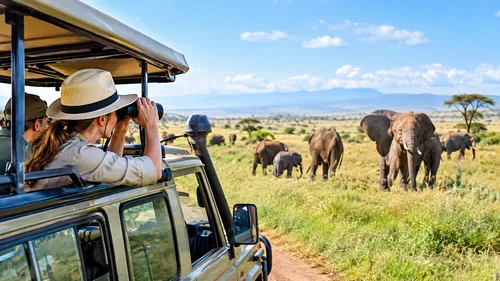
Board a bush plane from Wilson Airport or head west by 4x4 through the Great Rift Valley, passing Narok town for fuel and fresh fruit.
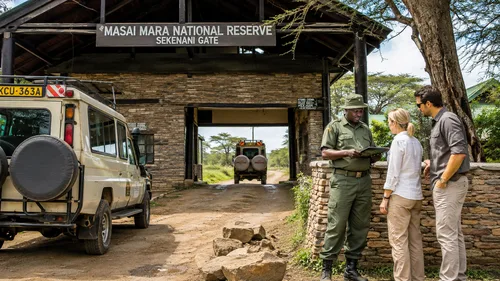
Clear the barrier at Sekenani, Talek, or Musiara. Show your pre-paid entry permits, check tire pressures, and pop the roof hatch.
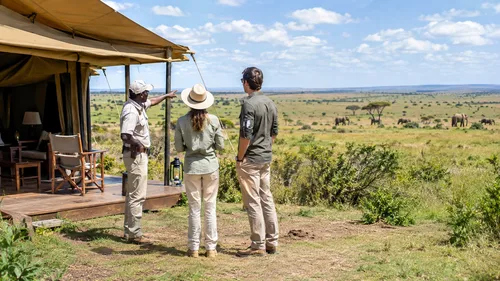
Check into your camp, unpack your dust bags, and sit down for a quick lunch while vervet monkeys watch from the acacia branches.
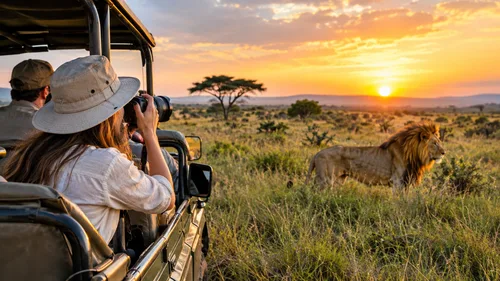
Roll out around 3:30 PM as the midday heat softens. Search the river bends for leopards dragging kills into sausage trees.
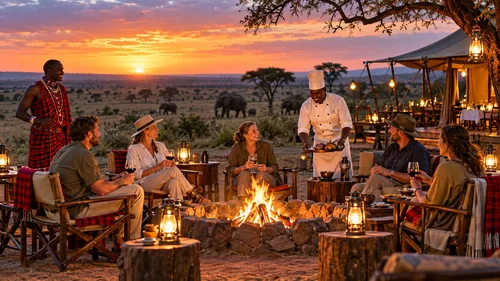
Return before the 6:30 PM park curfew. Wash away the volcanic dust, eat beside an open fire, and listen for distant hyena whoops.
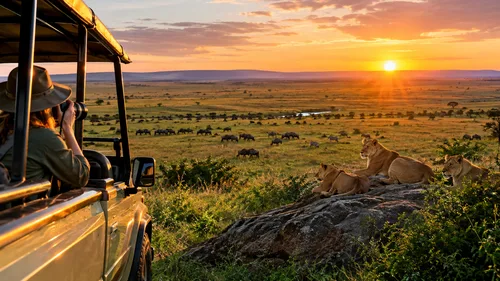
Head out before dawn with warm flasks of Kenyan tea to catch jackals and bat-eared foxes active on the morning plains before leaving.
The red dust of the Mara sticks to your clothes within twenty minutes of clearing the Sekenani gate. Spreading across south-western Kenya, the Maasai Mara National Reserve holds some of the highest predator densities on the continent. Out here, a lion pride will nap in the shade of your 4x4, while half a million zebra pick through red oat grass across the plains.
Taking a safari in Kenya often means choosing between crowded lodge circuits and private conservancy leases. In the main reserve, the dirt tracks can get busy around a leopard sighting. If you push out toward the Mara River or overnight inside bordering group ranches, you get vast swathes of golden hill country almost to yourself.
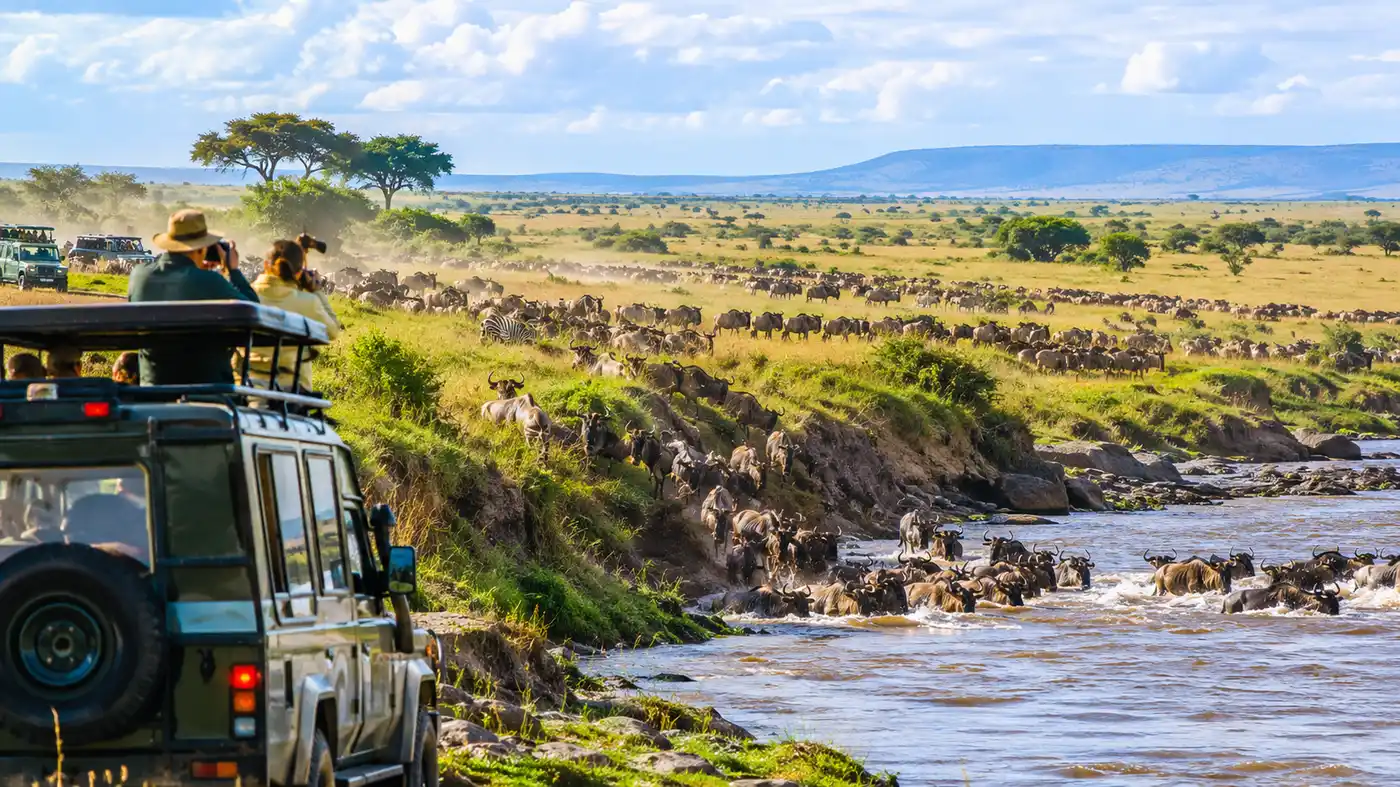
Most travelers come for the great migration between July and October, but the quiet months have their own pull. January brings newborn calves and dry, clear skies, while the November short rains turn the plains emerald green. A proper African safari across the Masai Mara is less about checking off species lists and more about turning off the ignition to listen to elephant herds chewing through wild sage.
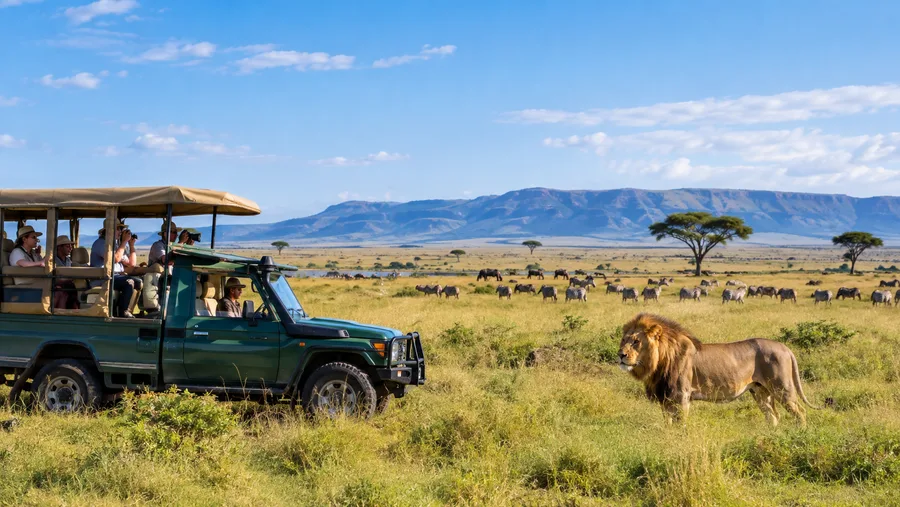
Our guide Amos found three cheetah brothers resting near Double Crossing within two hours of leaving the airstrip. The dirt track was bone-dry, but seeing them hunt at dusk made the dust totally irrelevant.
Waking up to elephants splashing right below our tent deck on the Talek River beat every expectation. We skipped the crowded river crossing scrums and spent four peaceful hours watching a leopard cub in an acacia tree.
The park fee hike from $100 to $200 hit our budget hard, but the wildlife numbers are real. We counted 23 lions over three days, though some crossings had over 40 safari jeeps crowded around one bank.
Staying out in Olare Motorogi instead of the public reserve was the smartest choice we made. We went on two night drives and sat ten feet from a hunting pride without another engine running.
Compare options and book directly below.
Standard park admission covering all public reserve game tracks outside the private conservancy concessions.
Peak rate coinciding with the migration river crossings, covering entry through Narok County council checkpoints.
Reduced daily rate for children accompanied by parents, applicable year-round across all primary reserve gates.
Everything you need to know before visiting masai mara safari tours.
Hours: Open daily from 6:00 AM to 6:00 PM (reserve gates open at 06:00 and close at 18:00; entry permits are valid for a 12-hour day)
| Non-Resident Low Season (Per adult per 24 hours (Jan to June)) | $100 |
| Non-Resident Peak Season (Per adult per 24 hours (July to Dec)) | $200 |
| Child / Student (Ages 3 to 17 years) | $50 |
📍 Masai Mara National Reserve, Narok County, Kenya
See it before you go.

Worth combining with your masai mara safari tours visit.
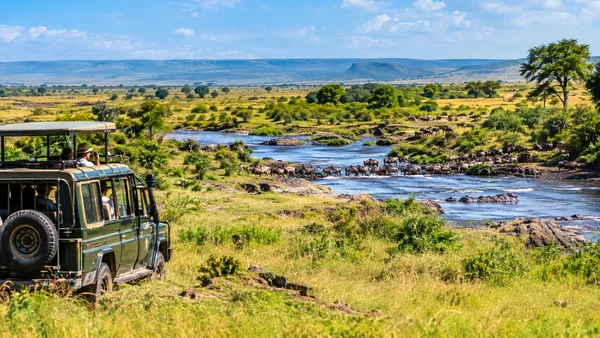
Managed by a non-profit conservancy board, offering lower poaching rates and better anti-off-road enforcement.
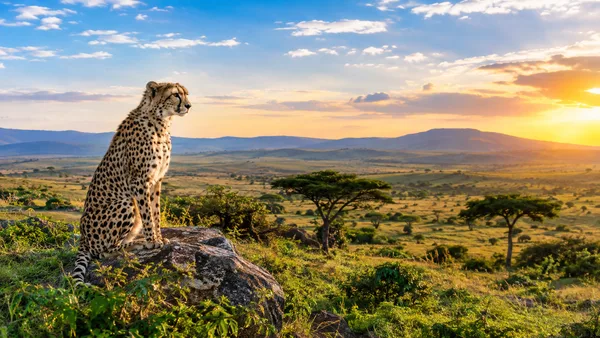
A pristine community-owned tract limited to few vehicles, known for walking safaris and cheetah breeding grounds.
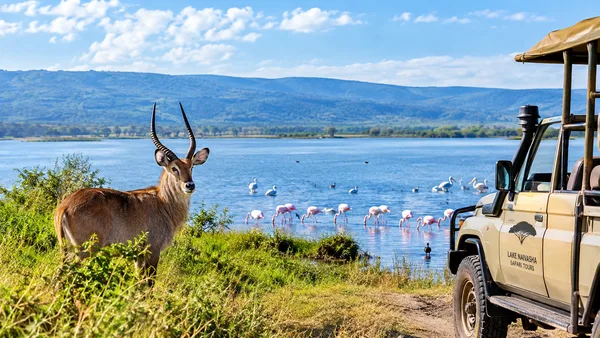
A freshwater lake ringed with yellow fever trees, ideal for breaking up the road trip with boat trips past hippo pods.
Masai Mara Safari Tours welcomes all visitors with accessibility features and family-friendly amenities.
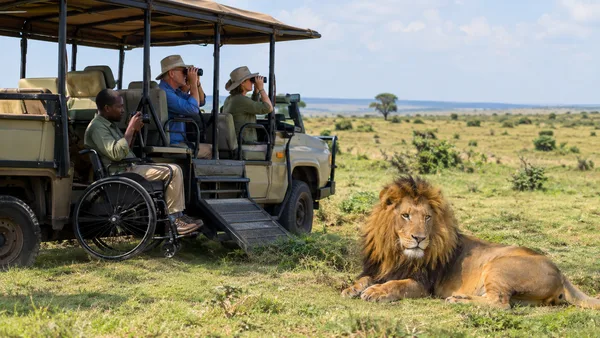
The reserve consists of raw, rugged wilderness and dirt tracks without public wheelchair infrastructure. However, specialized tour operators provide adapted safari vehicles with lifts/ramps and boarding assistance, and select luxury safari lodges feature wheelchair-friendly ramps, widened paths, and roll-in showers upon advance arrangement.
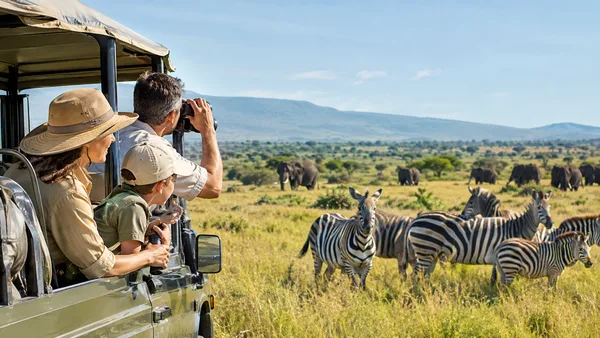
Family-friendly with discounted rates for children ages 9–17 and free entry for kids under 8. Strollers are impractical due to rough, uneven dirt terrain. Long game drives require close supervision, and individual safari lodges often have minimum age policies (typically 4–6 years) for game drives.
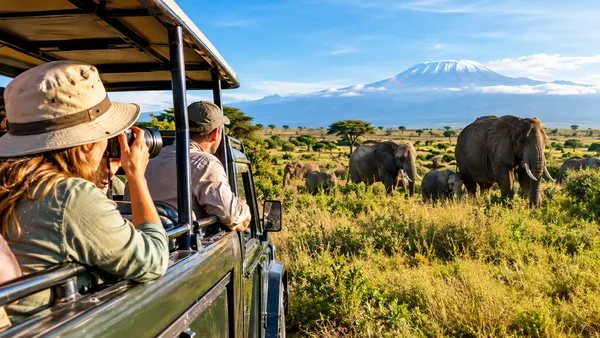
Most safari guides speak fluent Swahili and English, with several veteran field spotters also speaking French, German, or Spanish on request.
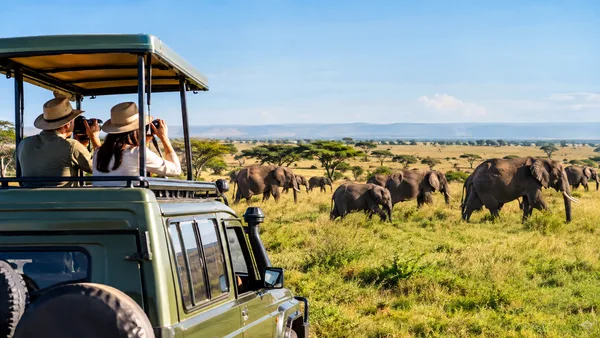
Getting around is conducted strictly in enclosed or open-sided 4x4 safari vehicles (such as Land Cruisers or safari minivans) suited for unpaved, rough dirt tracks. There are no elevators or public stairs across the open savannah, though individual safari lodges and camps may feature steps leading to elevated viewing decks or tent platforms.
Dive deeper into masai mara safari tours.
Discover the Maasai people of Kenya. Learn about traditional village life, etiquette, costs, and ethical cultural tours …
Continue Reading →
Plan your Masai Mara and Serengeti safari with our comprehensive guide. Discover migration routes, border crossing tips, …
Continue Reading →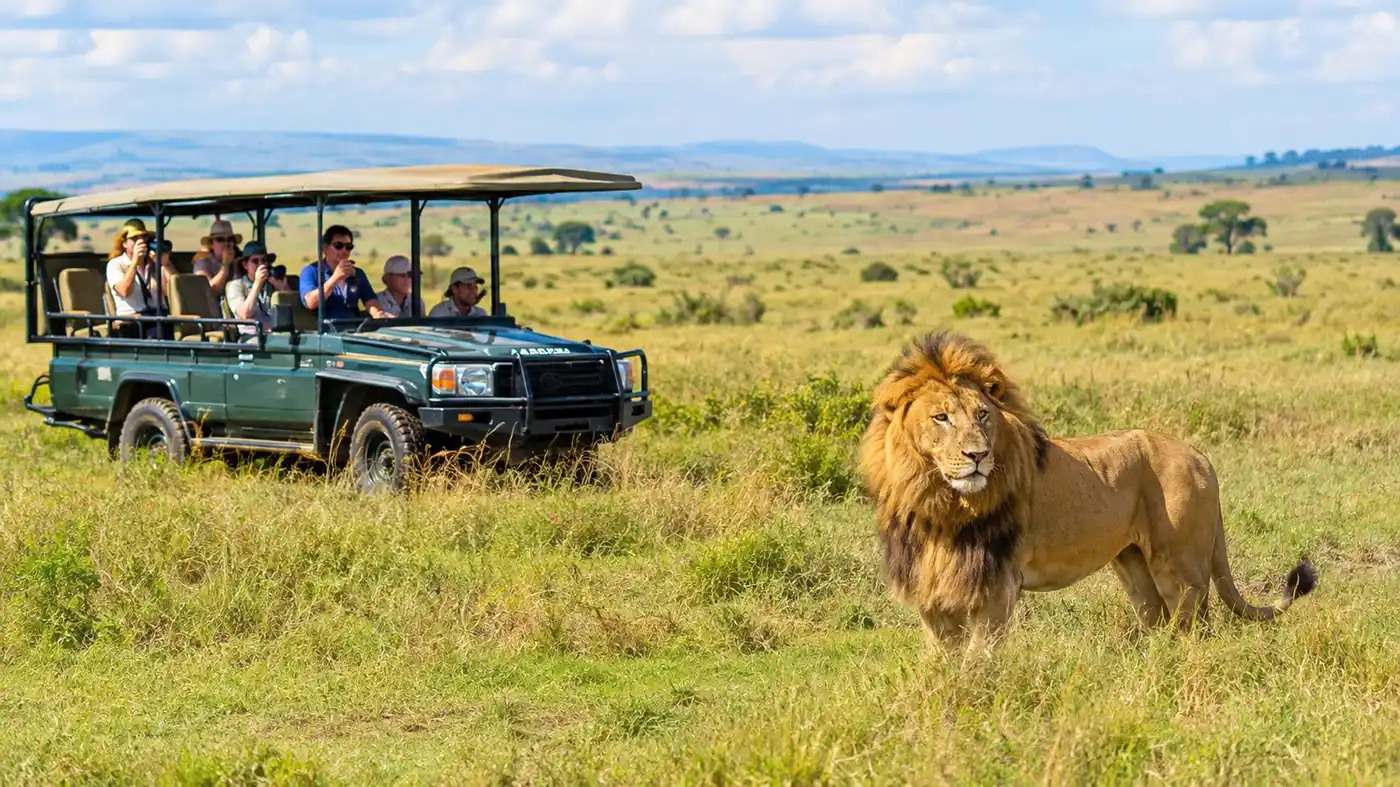
Discover the iconic animals in Masai Mara with this field guide to wildlife spotting, predator habits, game drive …
Continue Reading →
Wondering about Masai Mara safari cost? Here is a breakdown of park fees, transport, luxury vs budget tiers, and real …
Continue Reading →
Compare Masai Mara safari lodges and luxury tented camps. Insider advice on conservancies vs the national reserve, …
Continue Reading →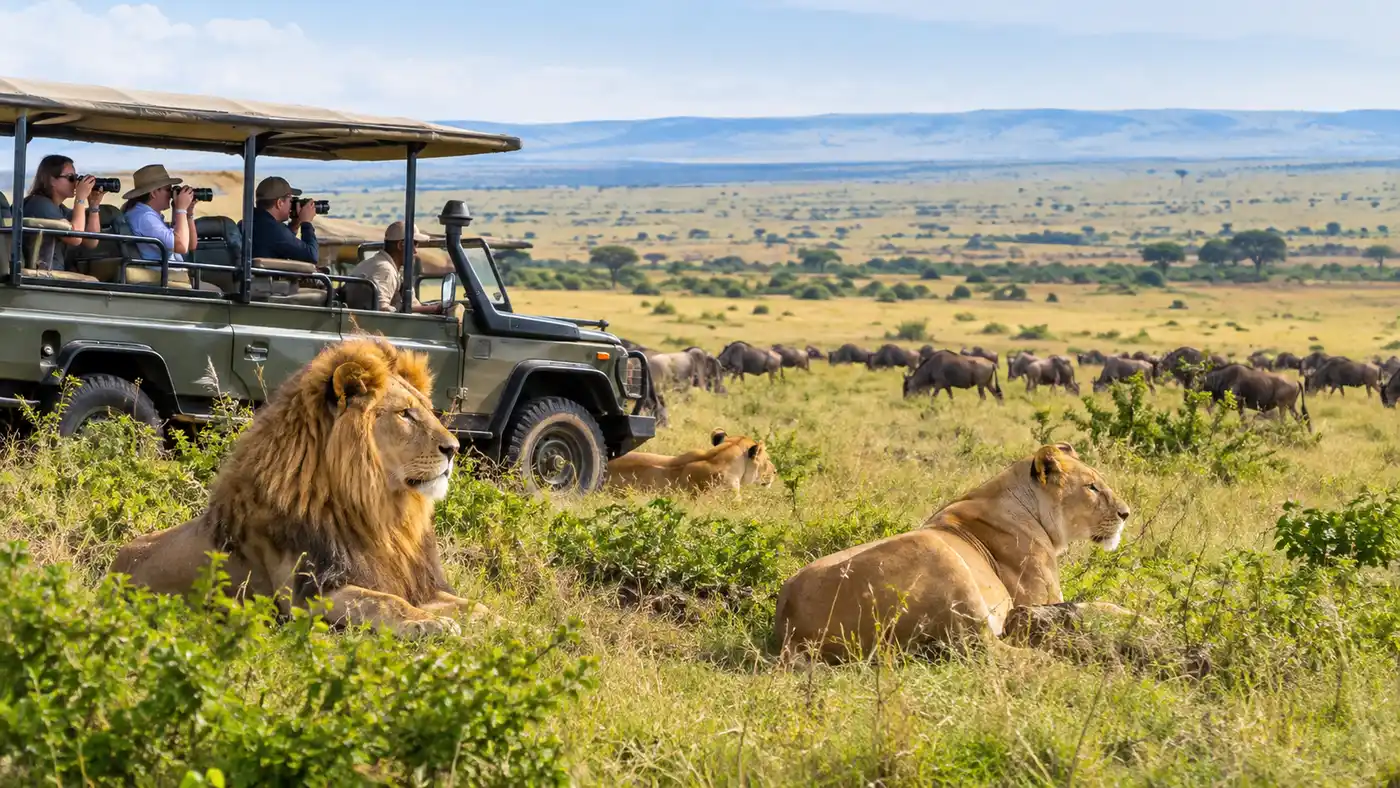
Compare Masai Mara safari packages, from budget group tours to luxury fly-in camps. Get honest itinerary advice, …
Continue Reading →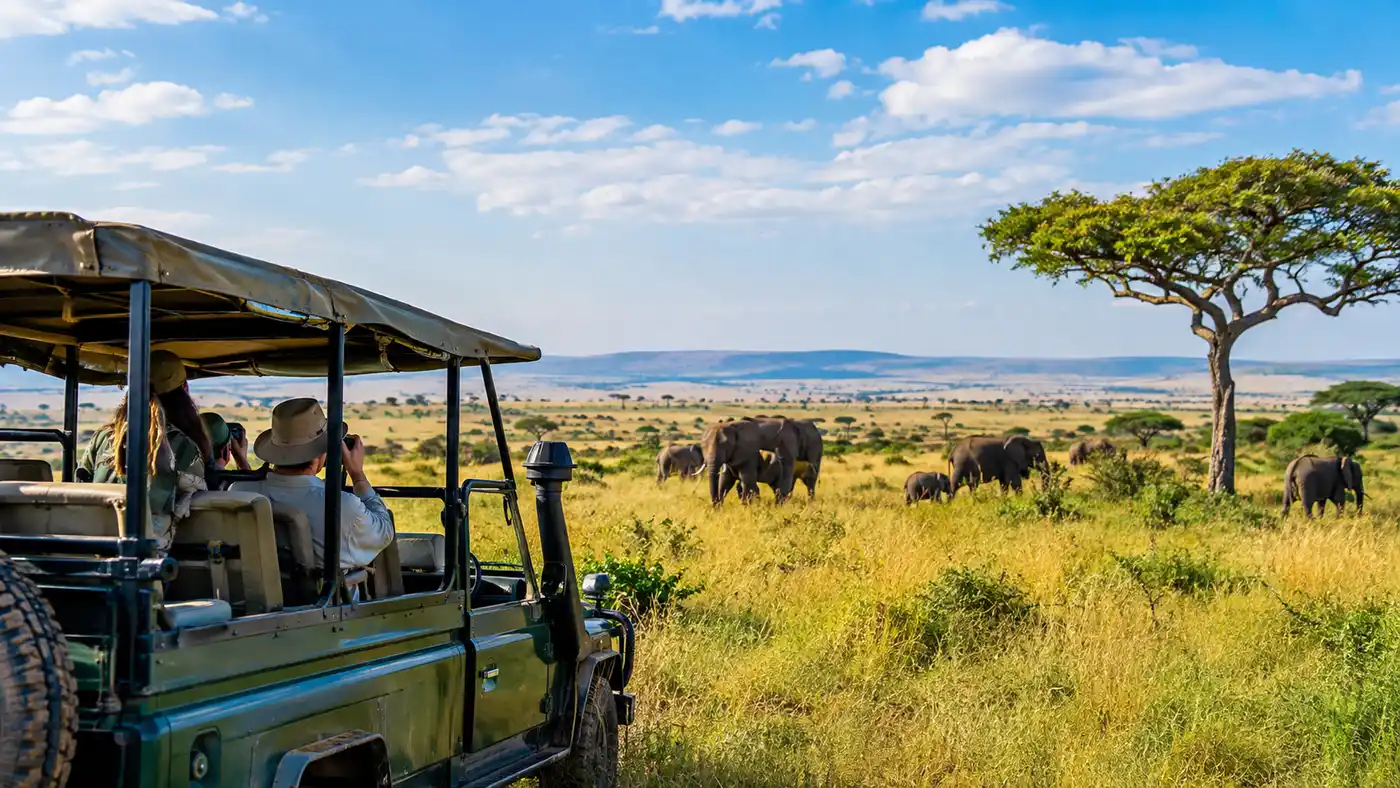
Plan your trip to Masai Mara National Reserve with practical advice on seasons, park fees, camera tips, safari camps, …
Continue Reading →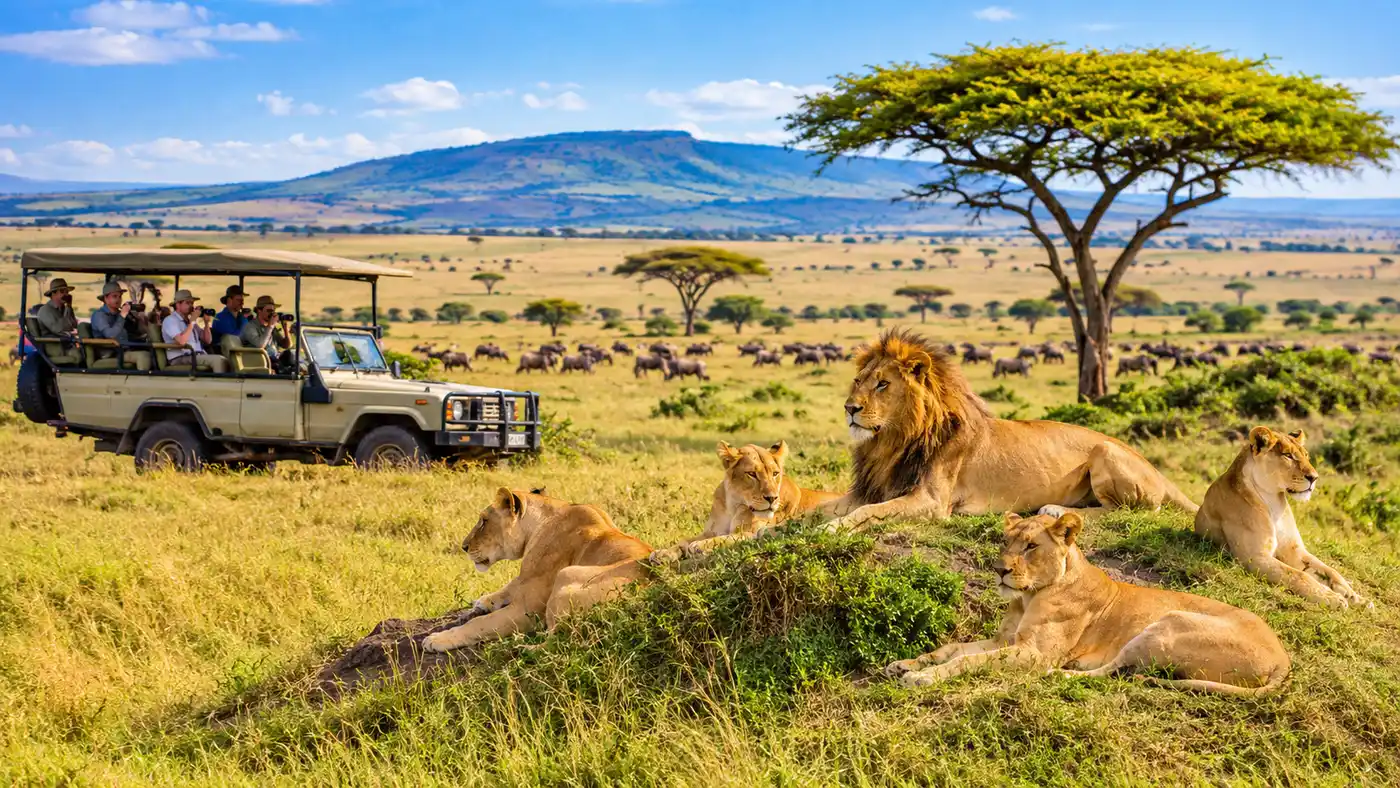
Where is Masai Mara? Discover its location on the Kenya map, distances from Nairobi, entry gates, altitude, and …
Continue Reading →Common questions about masai mara safari tours.
A mid-range safari covering park fees, a shared 4x4 cruiser, fuel, guide allowances, and full-board tented lodging runs around $350 to $550 per person per day. High-end fly-in packages can easily exceed $1,100 per day during the August crossing weeks.
If you plan to visit between July and September, book at least 7 to 9 months ahead. Camps along the Mara River fill up almost a year out. For November or May, booking 3 to 4 weeks out gives you plenty of choice and better bargaining power on nightly rates.
The Mara is roughly one-tenth the size of the Serengeti, which means higher animal concentrations per square mile and shorter drive times between sightings. The Serengeti gives you endless, lonely horizons, while the Mara can feel busier around major predator finds.
Plan for at least 3 full days on the ground, which translates to four nights. The drive from Nairobi consumes half a day each way, so a shorter trip leaves you exhausted and cuts your chances of seeing elusive species like black rhinos.
Bring a snug dust buff or bandana, a fleece jacket for freezing 6:00 AM starts, polarized sunglasses, and a neutral-colored wide-brim hat. Avoid dark blue or black clothing because both colors draw biting tsetse flies in acacia corridors.
You can rent a 4x4 in Nairobi and navigate the main tracks yourself using offline satellite maps. You will need strong vehicle recovery knowledge, spare spare tires, and deep patience, as black cotton clay turns impassable after 20 minutes of heavy rain.
Conservancies limit vehicle numbers at sightings to 5, allow off-road driving for rare animals, and run night spotlights. You trade the sheer chaos and spectacle of the Mara River crossing points for quiet, ethical encounters with wildlife.
Download our dry-season route planner and practical lodging breakdown to build your Mara journey on your own terms.