Masai Mara Animals: Wildlife and Game Drives Guide
At 6:15 in the morning, the air over the southern plains smells like wet dust and crushed wild sage. Your driver cuts the Land Cruiser engine, and the silence drops like a heavy blanket until a guttural cough breaks it from forty yards out in the croton bushes. If you came to Kenya to find the world's most dramatic concentration of predators and grazers, watching the sheer variety of animals in masai mara wake up at first light is an experience you never shake off.
Every year, travelers arrive expecting something resembling an oversized zoo or a manicured game park. Instead, this ecosystem covers roughly 1,510 square kilometers of protected reserve, bordered by another dozen community conservancies. Here, life is raw, unscripted, and entirely dictated by grass, rain, and teeth. Whether you are planning your first morning drive or trying to figure out which river crossings yield big cat sightings, this guide breaks down the wildlife you will see, where they hide, and how to track them without spending your entire day staring at empty horizon.
Book your masai mara safari tours experience:
What Animals Live in the Masai Mara? The Big Five and Beyond
People fixate on the Big Five for good reason, but chasing an arbitrary checklist sometimes ruins the magic of what is actually happening around you. Still, if you want to see them, this corner of southwest Kenya delivers better odds than almost anywhere else on the continent.
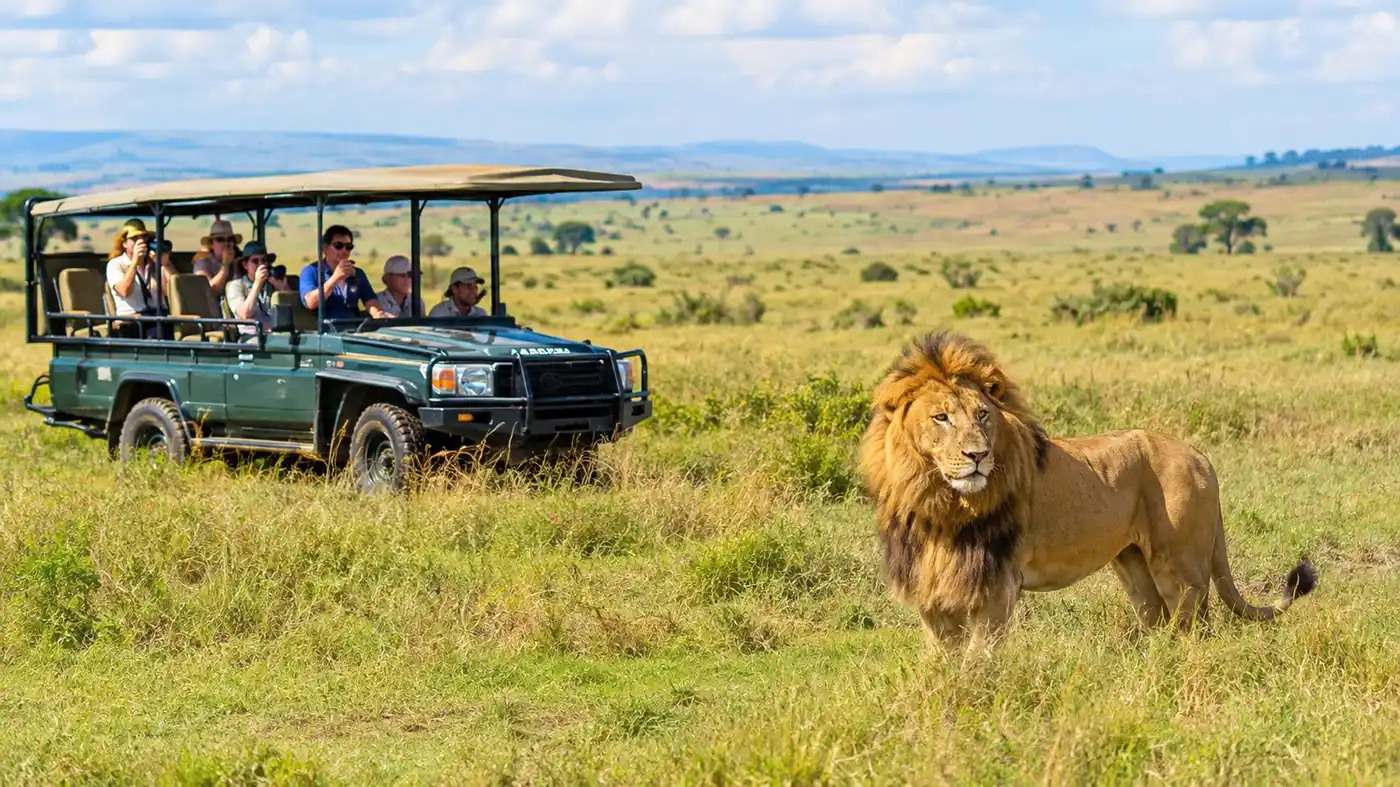
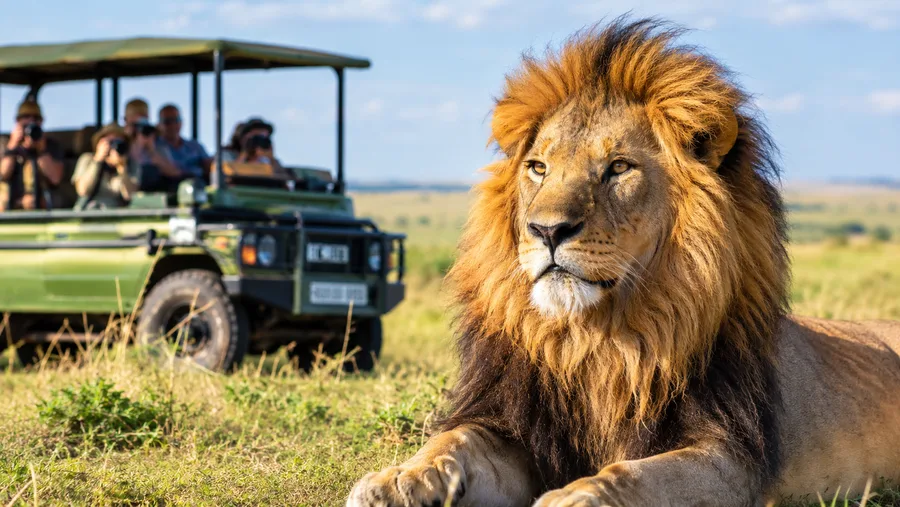
Lions rule the open plains. You will encounter prides sprawled out on granite kopjes or resting right in the wheel ruts where the dirt holds morning warmth. The Marsh pride around Musiara Marsh has been documented for decades, and watching seventeen females and cubs lounge around an acacia tree makes you realize how communal these predators are. Male lions look scruffy and battle-scarred here, bearing deep claw marks across their snouts from defending territory against nomadic intruders.
Leopards demand patience. They spend blazing mid-afternoons draped across the horizontal limbs of sausage trees or deep within riverine thickets along the Talek and Mara rivers. Spotting one takes good binoculars and an eagle-eyed guide who watches for a tail dangling below the branch line. Black rhinos are the hardest puzzle piece. Poaching knocked their numbers down hard in the late 1900s, but a fragile population persists in the Mara Triangle and near the Tanzanian border. Catching one grazing through the early morning fog feels like catching a glimpse of a prehistoric ghost.
Elephants move through the acacia scrub in family groups of twelve to twenty, tearing down branches with crisp snaps that echo across the savannah. Cape buffaloes gather in massive, cantankerous herds of three hundred or more. An old solitary buffalo bull - often called a "dagga boy" - wallowing in a muddy seep can be far more bad-tempered than any lion, so your driver will give them wide berth.
Note: Rhino sightings in the main reserve can be rare. If seeing a black rhino is non-negotiable for your trip, spend at least two full days focused on the Mara Triangle or consider adding Ol Pejeta Conservancy to your broader Kenyan itinerary.
Beyond the famous five, cheetahs roam the short-grass plains. Unlike leopards, cheetahs hunt by daylight, using raised termite mounds as lookout towers before launching into short, explosive sprints. You will also see spotted hyenas everywhere. They are vocal, inquisitive, and much larger in person than television specials make them look, with massive jaws capable of splintering giraffe bones into powder.
Predators and Prey: The Dynamics of Maasai Mara Animals
The predator numbers only stay this high because the herbivore biomass is staggering. Plains zebras and blue wildebeest form the backbone of the ecosystem. Even outside the mega-herds of the Great Migration, resident populations stay behind year-round, grazing down the red oat grass and constantly scanning the tree lines for amber eyes.
Topi are unmistakable with their purplish-yellow coats, often standing sentinel on dirt mounds like soldiers on guard duty. Impalas form tidy harems along the bush edges, leaping ten feet into the air when startled by an approaching vehicle. Giraffes pick through thorny whistling thorn acacias, moving with slow, swaying strides that seem entirely out of sync with the hurried scurry of warthog families trotting behind them with tails pinned straight up.
Water points reveal another tier of safari animals in kenya. Pods of forty or fifty hippos jam into deep pools along the Mara River, grunting and spraying water mist into the air while territorial males threaten each other with yawn-like displays of enormous canine teeth. Basking beside them on muddy riverbanks are massive Nile crocodiles, some stretching over sixteen feet, perfectly still until a thirsty impala steps an inch too close.
If your trip coincides with the months between July and October, the resident wildlife gets swamped by over 1.5 million migrating wildebeest pushing north from the Serengeti. The energy shifts completely. Dust clouds hang over the river bends for hours, vultures circle constantly, and the river crossings become tense, chaotic arenas. For a detailed breakdown of herd movements and crossing points, check out our guide to the Masai Mara and Serengeti migration safari.
| Species | Prime Sighting Hours | Favored Terrain | Spotting Difficulty |
|---|---|---|---|
| Lion | 06:00 - 08:30 & 17:30 - 18:30 | Open plains, rocky kopjes, Musiara Marsh | Easy |
| Leopard | 06:00 - 07:30 & dusk | Ficus trees, Talek riverbanks, rocky gullies | Moderate to Hard |
| Cheetah | 08:00 - 11:00 & 15:30 - 17:00 | Short-grass savannah, low termite mounds | Moderate |
| Black Rhino | 06:00 - 08:00 | Dense scrub, deep Mara Triangle valleys | Very Hard |
| Spotted Hyena | All day; peaks early morning | Den sites, open plains, river drainage lines | Very Easy |
| Hippo | Midday (in water), night (grazing) | Mara and Talek river pools | Very Easy |
How to Structure a Masai Mara Game Drive for Wildlife Spotting
A successful wildlife safari in kenya comes down to timing, patience, and how well your guide reads the bush. Animals do not follow itineraries. When midday heat builds up over the plains, most predators melt into deep shadows or slip down into eroded drainage ditches where the breeze stays cool.
The standard rhythm breaks the day into two distinct drives. You roll out of camp around 6:00 AM with a thermos of hot coffee, catch the dawn light when animals are actively hunting, and return late morning for breakfast. You head out again around 4:00 PM as the sun drops and temperatures fall. The alternative is packing a picnic lunchbox and doing a full nine-hour sweep across different sectors, which lets you reach distant river bends without rushing.
Pro tip: Tell your guide you would rather sit with a single lion pride or cheetah coalition for an hour than spend three hours racing between radio calls. The best sightings happen when you wait for animals to start moving naturally.
Radio chatter between safari vans can be both a blessing and a curse. When an elusive animal like a leopard cub shows up, radios bring ten vehicles to the scene within minutes, turning an intimate moment into a crowded ring. Great guides know when to ignore the radio noise and track quiet areas using fresh paw prints, alarm calls from baboons, or the sudden flight of guinea fowl.
- First light departures: Be through the gate by 6:15 AM so you can catch big cats before they retreat under shady bushes.
- Midday river waits: During dry months, stake out quiet stretches of the Mara River between 11:30 AM and 2:00 PM when herds build up the courage to drink or cross.
- Late afternoon light: Use the golden hour from 5:15 PM until gate closing to photograph grazing herbivores against dramatic low-angled backlit savannah.
- Conservancy night options: If you stay in private conservancies like Mara North or Olare Motorogi, book an after-dark drive with an infrared spotlight to see aardvarks and hunting leopards.
Book your masai mara safari tours experience:
Beyond the Big Five: Rare and Nocturnal Wildlife
People often search online for a "kenya jungle" or a "kenya jungle safari," picturing thick rainforests full of wild beasts. The reality is quite different. The Mara is an expansive patchwork of open grassland, scrubland, and riverine woods, which creates homes for smaller, weirder creatures that casual visitors overlook completely.
Servals look like miniature cheetahs with oversized bat ears, hunting rodents in tall grass by leaping six feet straight up and pouncing down with stiff front legs. If you drive early near marshy ground, you might catch a caracal with its sleek copper coat and tufted black ears hunting gamebirds. Bat-eared foxes stick to communal dens on dry ridges, emerging at dusk to vacuum up harvester termites with frantic digging.
Birders find the reserve genuinely wild. More than 470 avian species live here. You will see martial eagles scanning plains from high perches, ground hornbills strutting across burned ground like turkeys on stilts, and secretary birds stomping venomous snakes to death with long, scaled legs. Lilac-breasted rollers flash neon blues across every dead branch along the roadside, making even non-birders grab their cameras.
Night drives inside private conservancies expose the true graveyard shift of the ecosystem. Civets with banded coats slip between scrub patches, white-tailed mongooses forage along vehicle tracks, and if the bush gods are on your side, you might spot an elusive pangolin or an aardwolf trotting back toward its burrow. For tips on park regulations and entry rules, browse our guide on visiting the Masai Mara National Reserve.
Practical Tips for Maximizing Wildlife Sightings
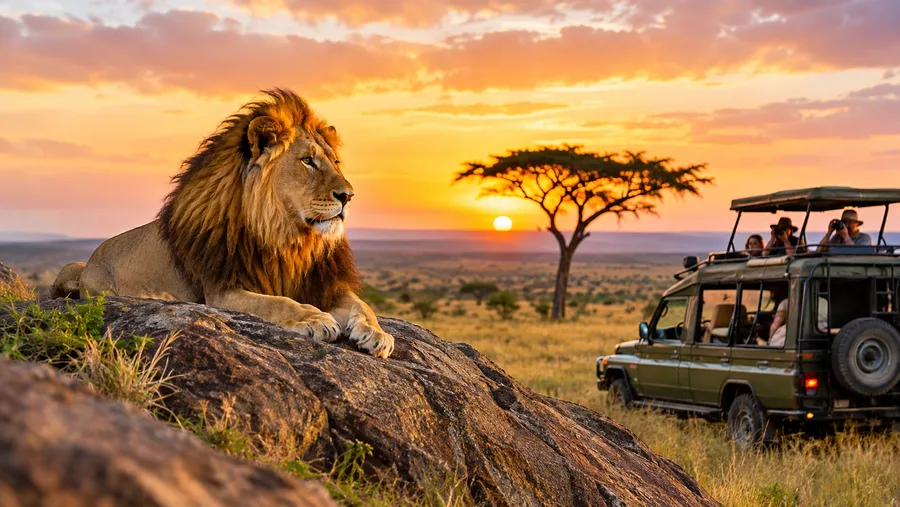
The vehicle you sit in changes your game drive completely. Custom 4x4 Toyota Land Cruisers with pop-up roofs beat minivan-style vans every time. Cruisers handle deep mud after heavy downpours, negotiate steep river crossings with ease, and give you high, stable platforms to rest your beanbag or lens bracket.
Binoculars matter just as much as a camera. Too many travelers spend thousands on safari packages only to share one cheap pair of optics between three people. A decent 8x42 or 10x42 glass lets you scan tree branches for dangling leopard tails and spot cheetah ears sticking through yellow grass hundreds of yards away before your vehicle burns fuel chasing mirages.
- Optics selection: Carry your own 8x42 binoculars with good low-light transmission rather than relying on a shared camp pair.
- Camera reach: Bring a telephoto lens reaching at least 400mm on a full-frame sensor, because ethical drivers keep respectable distances from resting animals.
- Layered clothing: Wear three layers for early mornings since open-sided safari vehicles are bitterly cold at 40 miles per hour before sunrise.
- Dust protection: Keep your camera bodies wrapped in cotton pillowcases or dry bags, because fine volcanic Mara dust destroys zoom rings and electronics.
Patience remains the real differentiator. The safari experience is not a highlight reel edited into forty minutes. It involves long stretches of bumping over dirt tracks, smelling the sweet dust, watching grass bend in the wind, and listening to your guide explain the social structure of a dwarf mongoose colony. When the drama does hit - like three lionesses cutting off a galloping warthog right across your path - the hours of quiet waiting instantly make sense.
Frequently Asked Questions about animals in masai mara
What are the chances of seeing the Big Five on a single safari?
You have an excellent chance of spotting lions, elephants, and buffaloes on almost every game drive. Leopards require some hunting through river thickets but are spotted regularly over three days. Black rhinos are the wildcard, as only roughly thirty to fifty individuals inhabit the reserve, making full Big Five sightings possible but never guaranteed.
Can you do night game drives in the Masai Mara National Reserve?
Night game drives are forbidden inside the boundaries of the national reserve itself to protect wildlife from harassment and stress. If you want to track nocturnal species with a spotlight, you need to book accommodation in one of the adjacent community conservancies like Mara North, Naboisho, or Olare Motorogi.
Which part of the reserve has the best wildlife concentration?
The Musiara Marsh sector and the banks of the Talek River offer exceptional predator concentrations throughout the year due to permanent water sources. The Mara Triangle on the western side of the river features fewer vehicles, pristine landscapes, and better odds for rhino and cheetah viewing.
Are the animals in Masai Mara dangerous to tourists in open vehicles?
Animals view safari vehicles as single, large, non-threatening objects rather than containers full of individual humans. As long as you stay seated, keep your arms and equipment inside the vehicle frame, and do not make sudden loud noises, wild animals will ignore your presence even at close quarters.
Quick Reference
- Over 95 mammal species and 470 bird species recorded
- Predator hot spots: Musiara Marsh, Talek River, Mara Triangle
- Best tracking hours: 06:15 to 09:00 and 16:30 to 18:30
- Recommended stay: minimum 3 to 4 days for reliable predator sightings
Book your masai mara safari tours experience:
My Take
You can read wildlife checklists and animal encyclopedias for months, but nothing prepares you for the sheer scale of the savannah when hundreds of thousands of animals spread out from horizon to horizon. Focus less on ticking every box off a brochure and spend more time observing how this wild landscape breathes. Book at least four nights, trust an experienced local driver, leave camp while the stars are still out, and let the plains deliver their own surprises.
Read more about masai mara safari tours.