Visiting Masai Mara National Reserve: Travel Planning and Photos
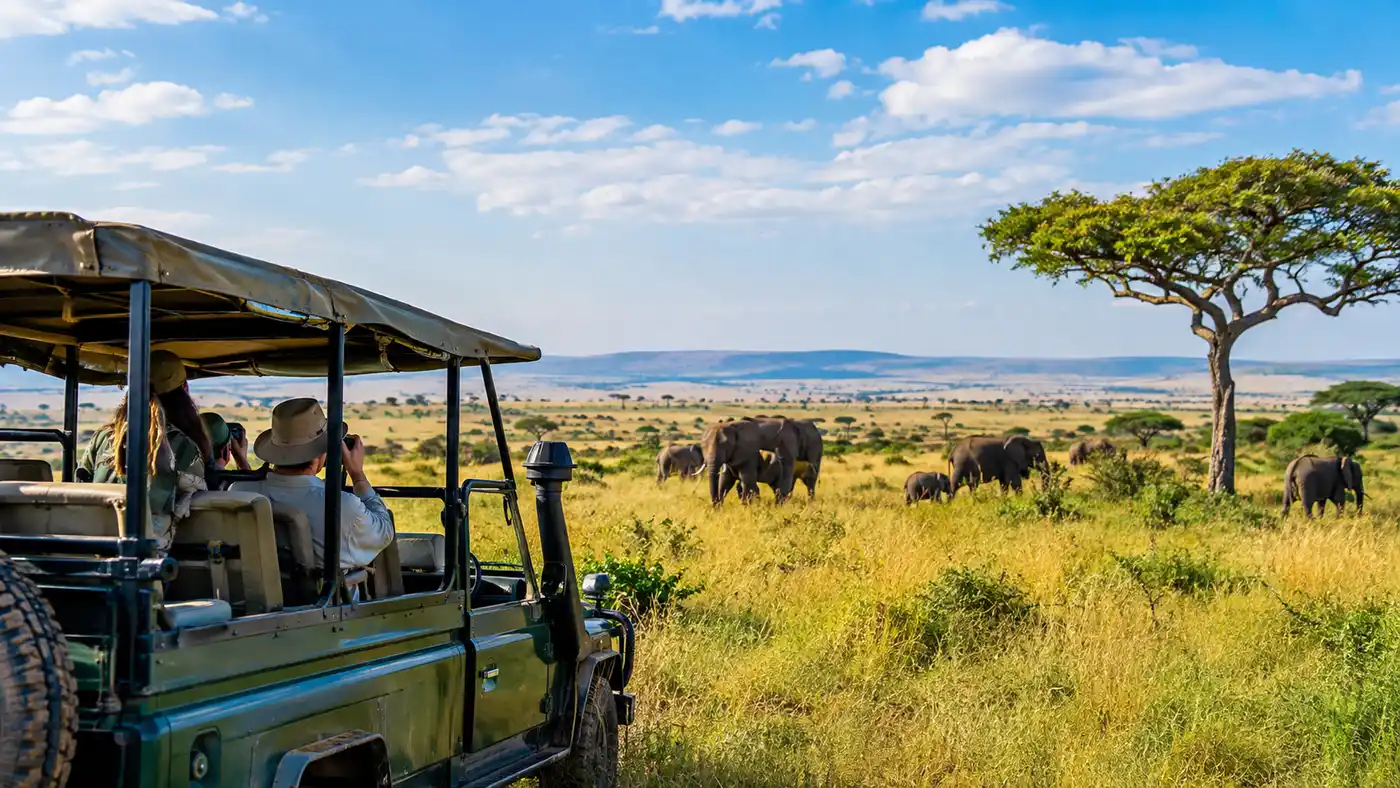
Nothing prepares your bones for the teeth-chattering cold of a 6:00 AM game drive. You sit wrapped in a red acrylic Maasai shuka while sweet diesel exhaust drifts into the crisp morning air, clutching a metallic thermos of milky tea. Most newcomers assume equatorial Africa stays hot around the clock, but at 5,000 feet above sea level, dawn bites straight through a fleece pullover. It was late September when I watched the horizon shift from deep indigo to pale peach, revealing three lionesses stalking through the red oat grass of the masai mara national reserve. They strolled past our open-sided Land Cruiser within arm's reach, muscles sliding beneath tawny coats, headed straight toward a thicket along the Talek River.
Planning a safari here can feel completely overwhelming. Between park fee hikes, conflicting advice on seasons, dozens of private conservancies, and the flood of airbrushed wildlife imagery online, separating fantasy from reality takes work. A real bush trip involves long hours bumping over washboard tracks, sudden rain squalls that turn dirt roads into slick grease, and patient waits beside empty waterholes. Still, when a bull elephant passes so close you can hear the dry grass rustling against his flanks, every penny and every bumpy mile makes sense. This guide gives you the practical ground truth for planning your itinerary, budgeting, and bringing home great wildlife photography.
Book your masai mara safari tours experience:
What Is Masai Mara and How Does the Ecosystem Actually Work?
If you ask first-time visitors what is masai mara, most will describe a national park full of lions. Technically, it is not a national park at all. It is a national reserve managed by the local county governments of Narok and Trans Mara, rather than the central Kenya Wildlife Service. The reserve itself covers roughly 580 square miles of open rolling grassland, acacia woodlands, and riverine forests. South of the border fence, it merges seamlessly into Tanzania's Serengeti National Park. Wildlife recognizes none of these bureaucratic human boundaries. Animals drift back and forth across the invisible frontier following seasonal rains and sweet green shoots.
Surrounding the public reserve lies an interconnected patchwork of community-owned conservancies. Local Maasai landowners lease their acreage to eco-tourism operators, creating massive buffer zones where cattle grazing and wildlife protection coexist. This distinction matters immensely when booking kenya safari travel. The public reserve allows heavy vehicle congestion around predator sightings, whereas private conservancies enforce strict vehicle caps at every sighting. You pay a bit more to stay in the conservancies, but you trade crowds for solitude.
Note: Flying personal camera drones is strictly illegal throughout the reserve and all surrounding community conservancies. Rangers will confiscate equipment at the entrance gates, and recovering impounded gear from county authorities is an expensive, bureaucratic nightmare.
The landscape feels ancient. Solitary desert date trees puncture broad horizons, and granite kopjes break the green plains like weathered islands. The Mara River snakes through the western sector, its brown waters harboring pods of territorial hippos and massive Nile crocodiles that have survived largely unchanged for millions of years. It represents wilderness safari kenya at its most raw and unfiltered, provided you know where to look and how to avoid the minibus convoys.
Planning Your Trip to Masai Mara: Timing, Seasons, and Costs
Everyone dreams of seeing the Great Migration crossing the Mara River, yet timing that spectacle requires luck. The herds usually arrive from the Serengeti around late July and linger into October, but rainfall dictates their movements. If rain falls early in the southern plains, the wildebeest turn around early. If the Mara stays green, they linger until November. Visiting during peak migration means paying premium lodging rates, enduring busy tracks, and jostling against dozens of safari vans at river crossing points.
For a quieter trip to masai mara, October through early December provides phenomenal game viewing without the chaos. The grass is shorter, predator action remains intense, and the wildebeest stragglers still dot the plains. A kenya safari october itinerary lets you catch warm, dry weather right before the short rains arrive. If you choose a kenya safari december departure, the savannah turns bright emerald after brief afternoon showers, making landscapes pop against brooding storm clouds. Park entry fees have recently jumped to $200 per adult per day for non-residents during peak season, so check our detailed breakdown of Masai Mara safari cost, prices and park fees before locking in your daily budget.
| Season | Months | Game Viewing | Rainfall | Crowd Density |
|---|---|---|---|---|
| Peak Migration | July - September | Exceptional (River crossings) | Very Low | Extremely High |
| Shoulder Dry | October - November | High (Resident big cats) | Low to Moderate | Moderate |
| Emerald Season | December - March | High (Calving, migrant birds) | Intermittent Showers | Moderate |
| Long Rains | April - May | Good (Dispersed herds) | Heavy Downpours | Very Low |
Budgeting for safari vacations kenya requires honest math. Beyond park fees, your costs include ground transport or internal flights, camp accommodation, driver-guide tips, and travel insurance. A three-day budget safari from Nairobi in a shared minivan might run $650 per person, while a mid-range tented camp inside a conservancy easily hits $450 to $700 per person per night. Luxury fly-in packages push past $1,200 nightly. You get what you pay for in terms of guiding quality, food, vehicle comfort, and quiet locations.
Things to Do in Masai Mara Beyond Standard Game Drives
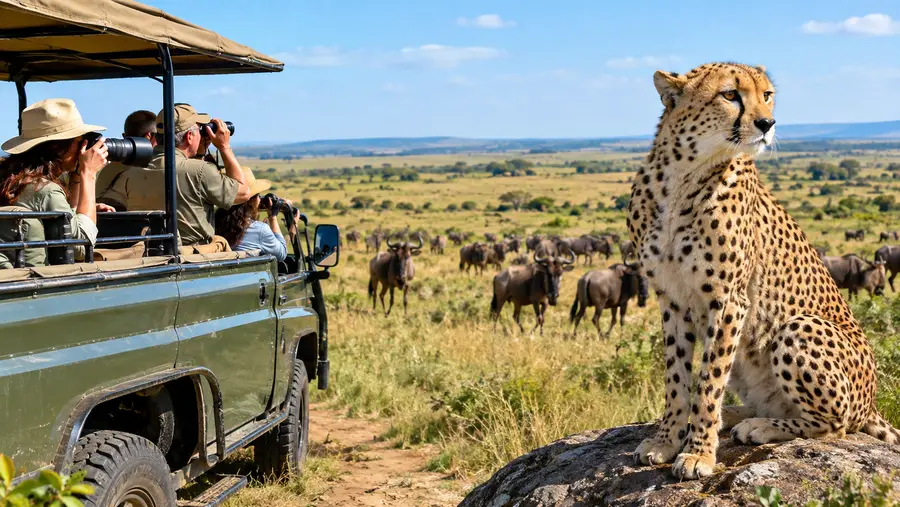
Game drives at dawn and dusk will always form the backbone of your itinerary. You spend three to four hours searching for leopards draped over fig branches or following spotted hyenas returning from an overnight scavenge. Yet sitting in a vehicle all day can numb your senses. Expanding your schedule with different activities reveals subtle layers of the ecosystem that you simply cannot experience from behind a window frame.
- Dawn hot air ballooning: You drift completely silently above the acacia canopy at sunrise before descending for a champagne breakfast cooked over gas burners in the open bush. It costs around $450 to $500 per person, but skimming ten feet above a herd of galloping giraffes is pure magic.
- Guided walking safaris: Offered only in private conservancies, walking through the bush with an armed ranger and a local Maasai tracker recalibrates your perspective. You inspect acacia thorns, decipher lion tracks in the dirt, and learn how dung beetles navigate by the sun.
- Evening night drives: The public reserve closes its gates at 6:30 PM, but conservancies permit spotlight game drives after dark. This is when white-tailed mongooses, bushbabies, serval cats, and aardvarks finally emerge from underground burrows.
- Authentic Maasai cultural visits: Skip the tourist trap villages clustered right outside the main park gates. Instead, arrange a respectful visit to a genuine family settlement through your lodge, where fees support local clinics and school water tanks directly.
A typical afternoon might involve sitting quietly on your camp deck with binoculars. Vervet monkeys leap through the wild olive branches overhead, and banded mongooses forage through dry leaves right beside your tent pegs. You quickly discover that the moments spent sitting still often deliver more surprising wildlife interactions than hours of chasing radio calls across bumpy dirt tracks.
Book your masai mara safari tours experience:
Capturing Masai Mara Photos: Gear and Field Realities
Every photographer dreams of bringing home iconic masai mara photos. The reality of shooting wildlife out here involves thick dust, harsh midday light, and sudden movements. By 8:30 AM, equatorial sunlight turns brutal, washing out colors and creating severe heat haze that ruins long-distance telephoto shots. Your best window for taking memorable photos of masai mara runs from 6:15 AM to 8:00 AM, and again from 5:00 PM until the light drops below the horizon.
A sunset masai mara frame is legendary for good reason. Silhouetted acacia trees stand against violent red and orange horizons, while dust kicked up by grazing zebras catches the fading back-light. For wildlife portraits, ask your guide to position the vehicle so the sun sits slightly to one side rather than directly behind you. Flat front-lighting robs animals of depth, while gentle side-lighting picks out the moisture on a leopard's whiskers or the fibrous texture of elephant skin.
Pro tip: Slip your camera body and mounted telephoto lens inside an ordinary cotton pillowcase while driving between wildlife sightings. It breathes so moisture never collects, but it completely blocks the fine, powdery red dust that destroys zoom rings and camera switches.
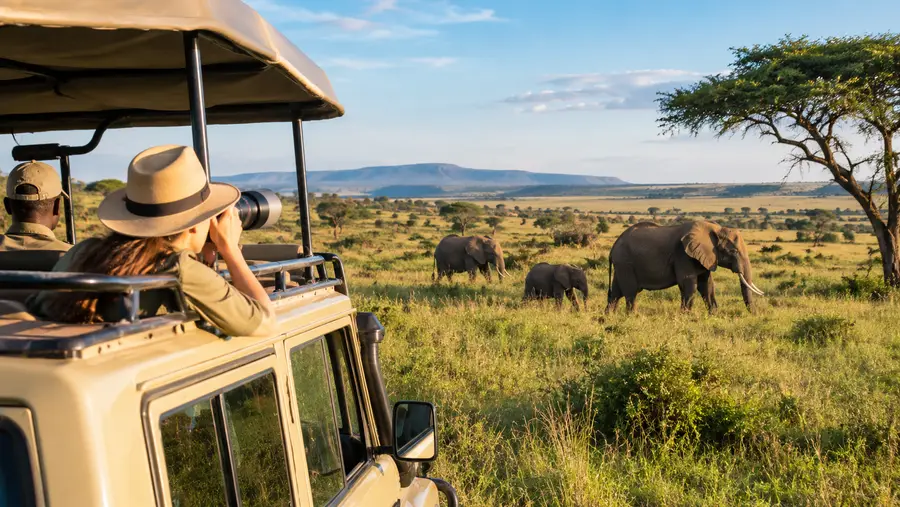
You do not need an $8,000 prime lens to capture compelling masai mara pictures, but you do need reach. A 100-400mm or 150-600mm zoom lens mounted on a modern mirrorless body provides the versatility needed when an animal suddenly walks toward your vehicle. Tripods are useless inside safari vehicles; bring a simple beanbag filled with rice or dried beans to rest your lens steadily over the open roof hatch. Looking through your collection of masai mara pics afterward, the shots that stand out are rarely the tight headshots. The wide-angle environmental portraits showing vast herds under stormy African skies tell the real story.
Masai Mara Reviews and Safari Packages: Camps vs Lodges
Reading through online maasai mara reviews can leave you dizzy with conflicting opinions. Some travelers rave about rustic bush camps where hyenas wander past canvas walls at midnight, while others complain bitterly about lack of hair dryers, spotty Wi-Fi, and solar power limitations. Managing expectations is critical when selecting safari holiday packages in kenya. Deciding between a permanent concrete lodge and an authentic tented camp fundamentally shapes your experience.
- Large safari lodges: Found mostly along the Mara River inside the reserve, these concrete properties feature 70 to 150 rooms, swimming pools, buffet dining halls, and fence perimeters. They suit families with young children or travelers who want solid walls, air conditioning, and predictable amenities, though they feel less connected to the wilderness.
- Mid-range mobile tented camps: These canvas operations move every few seasons or occupy permanent leases along seasonal streams. They use eco-toilets, bucket showers filled with wood-heated water on demand, and solar lanterns. Falling asleep to the sawing cough of a wandering leopard ten yards from your bed is unforgettable.
- Luxury conservancy camps: High-end outfits in Mara North or Naboisho offer elevated wooden decks, copper soaking tubs, gourmet dining under the stars, and exceptionally skilled silver-level Maasai guides. Vehicle limits mean you rarely share a cat sighting with more than two other vehicles.
Before confirming your booking, check the detailed options in our guide to Masai Mara safari lodges and tented camps to see which side of the river fits your travel style. Choosing a camp situated far from the primary river crossings might mean an exhausting two-hour transit drive across washboard ruts every morning just to reach the main plains. Location always trumps luxury when safari efficiency matters.
Frequently Asked Questions about masai mara national reserve
How many days are enough for a Masai Mara visit?
Three full days, which means four nights in camp, gives you enough time to explore different habitats without burning out. Two days feels rushed due to the long six-hour drive from Nairobi, while five days lets you split time between the public reserve and a private conservancy.
Is it safe to visit Masai Mara?
Yes, safari tourism in Kenya is well organized and protected. Inside the camps, Maasai night watchmen escort you to and from your tent after dark to ensure wildlife safety. Standard street sense applies when passing through transit hubs like Narok or Nairobi.
What should I pack for morning game drives?
Pack layers. A warm fleece jacket, windbreaker, beanie, and a lightweight scarf are mandatory for freezing early morning rides in open roof vehicles. By midday, temperatures jump into the 80s, so you will want light, neutral-colored linen or cotton shirts underneath.
Quick Reference
- Entry fee: $200 per adult daily in peak season
- Distance from Nairobi: 160 miles (5-6 hours by road, 45 minutes by bush flight)
- Best photo light: 6:30 AM to 8:00 AM and 5:00 PM to 6:30 PM
- Malaria risk: Moderate (prophylaxis recommended)
- Peak migration window: Late July through October
Book your masai mara safari tours experience:
The Bottom Line
A safari here is rarely effortless, and it certainly does not come cheap. You will collect red dust in your teeth, nurse bruises from unpaved tracks, and wake up long before the sun rises. Yet when you find yourself sitting quietly in the savannah grasslands as golden dawn light breaks across hundreds of grazing zebras, the noise of ordinary modern life vanishes completely. Do your homework, pick an ethical camp that supports local communities, pack plenty of memory cards, and let the wild plains work their magic on you.
Read more about masai mara safari tours.